







I had an amazing experience with Dr.Gallagher and her team, the whole experience from the procedure (top surgery) to the post-op care has been fantastic. Dr.Gallagher was able to address any concerns I had with my chest before the procedure and made me feel comfortable the whole way through, and then the attentiveness post-op is all the better.
What is Clitoromegaly?
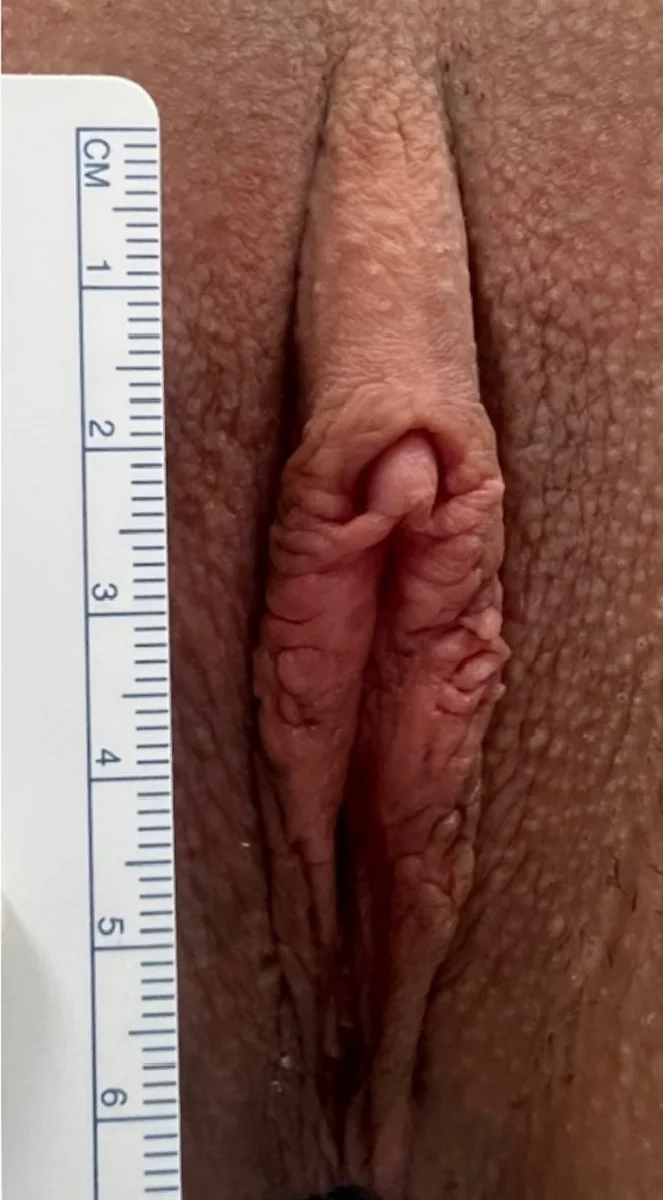
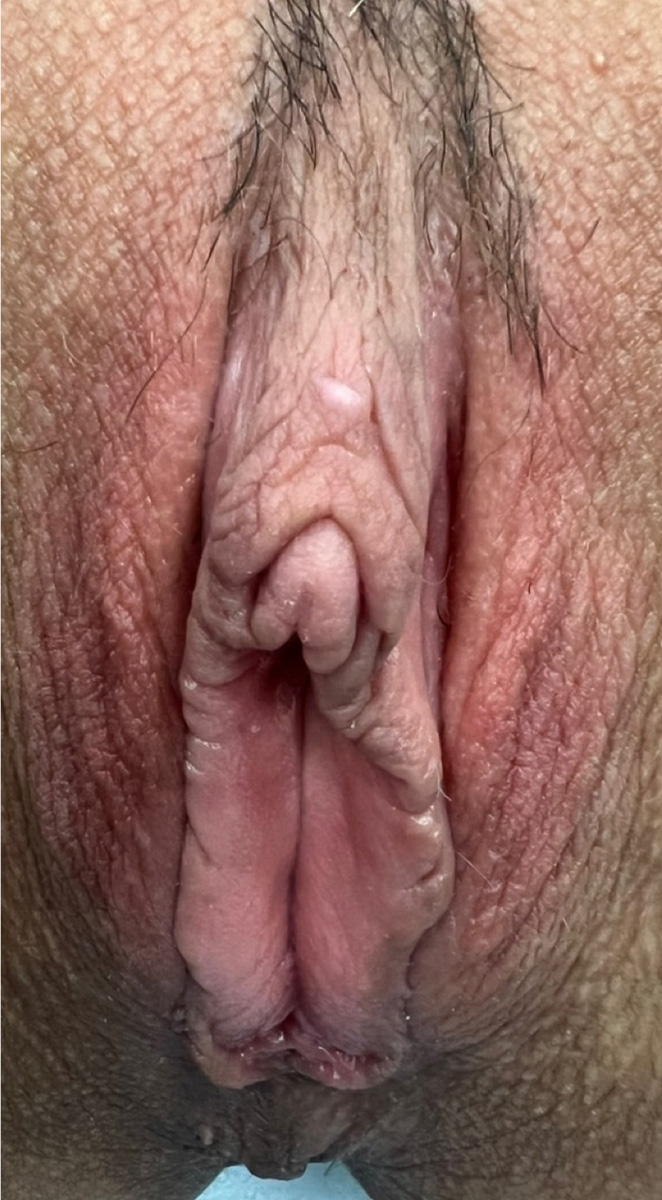
Clitoromegaly refers to the enlargement of the clitoris, which is a highly sensitive and erectile structure located at the top of the vulva. The criteria for diagnosing clitoromegaly may vary depending on medical guidelines and individual circumstances. However, here are some general criteria commonly considered:
- Size: Clitoromegaly is characterized by a clitoris that exceeds the normal range. The average size of the clitoris in an adult woman is approximately 0.5 to 1.5 centimeters when measured in a relaxed state. Clitoromegaly often involves a clitoral size that is significantly larger than this range. Most patients will report that the condition becomes significantly more noticeable during arousal.
- Visual Appearance: In addition to size, clitoromegaly may also be identified by visual cues. The clitoris may appear more prominent or protruding, extending beyond the clitoral hood, which is the protective fold of skin covering the clitoral glans. Many patients may also have excess labia.
- Hormonal Influence: Clitoromegaly can be influenced by hormonal imbalances or excess androgen (male hormones) in the body. Conditions such as congenital adrenal hyperplasia, polycystic ovary syndrome (PCOS), and certain tumors can lead to hormonal imbalances that contribute to clitoromegaly. In many cases, Dr Gallagher treats cases where no specific cause of clitoromegaly is found, however.
- Symptoms: Clitoromegaly can cause physical discomfort, pain, or sensitivity due to the increased size and exposure of the clitoral tissue. Emotional and psychological distress may also be experienced by individuals with clitoromegaly, especially if it affects their body image or sexual well-being. This is very common amongst our patients and is the usual reason they seek treatment.